

Modern energy infrastructure relies heavily on finding the balance between long-term durability and high efficiency. While older, heavy silicon arrays have set a standard for durability, they often lack the aesthetic flexibility required for high-end residential integration. This search for versatile alternatives has focused attention on how alternative crystalline layers degrade over time.

Our team at Light Hunter observes that understanding the lifetime of the perovskite solar cell is essential for evaluating its commercial future. This advanced light-absorbing technology can be synthesized chemically and deposited onto thin, flexible materials. By understanding the degradation mechanisms of these thin films, homeowners can make informed investments in backyard microgrids.
Exploring the Core Mechanics of Crystal Degradation
To evaluate longevity, we must first examine how these unique crystal structures interact with their environment. Unlike conventional silicon wafers, which resist natural elements due to their rigid, simple atomic bonds, synthetic thin-film compounds are highly sensitive. Moisture, oxygen, and intense UV radiation can alter the delicate crystal lattice over time, leading to premature performance losses.
Engineers are focusing heavily on these degradation patterns to improve the stability of perovskite under real-world conditions. Intrinsic issues like ion migration inside the active layer can cause internal structural shifts if the cell is exposed to prolonged heat. Overcoming these chemical vulnerabilities is key to translating outstanding laboratory achievements into dependable household power sources.
Harnessing Chemical Stabilizers to Extend Durability
Overcoming these chemical vulnerabilities requires innovative molecular engineering during the fabrication process. Researchers are replacing unstable organic components with robust inorganic molecules to reinforce the light-absorbing layers. This molecular tuning drastically reduces the risk of phase separation and keeps the system stable under continuous solar radiation.
We watch these material improvements closely as we implement modern perovskite technology into our outdoor installations. Advanced encapsulating layers can seal the active cells, keeping harmful moisture and oxygen out. These protective barriers safeguard that the underlying active layers can operate at their full potential without suffering from premature wear.
Comparing Operational Longevity with Older Systems
When discussing long-term investments, comparing new technologies with established standards is inevitable. Traditional silicon arrays generally come with performance warranties extending from twenty-five to thirty years, though they are visually intrusive. Emerging thin-film structures are catching up quickly, with laboratory tests projecting operational lifespans of fifteen to twenty years.
Investing in a premium solar pergola represents a strategic balance between immediate design appeal and functional longevity. Instead of utilizing heavy, dark frames on your roof, these light-harvesting layers are integrated directly into elegant overhead louvers. This dual-purpose design provides refined comfort while generating a steady stream of clean power for your household.
Thermal Resilience in Extreme Climates
Traditional silicon setups frequently suffer from notable efficiency drops as ambient temperatures climb on summer afternoons. This thermal degradation reduces the energy yield precisely when residential cooling systems require the most electricity. Properties in warm climates often experience reduced overall energy yields because of this physical limitation.
Fortunately, the molecular composition of a perovskite solar cell displays exceptional thermal stability under high heat. The thin-film active layer maintains its output without the massive voltage drops that plague older silicon designs. This temperature tolerance allows your system to continue harvesting energy efficiently during the hottest hours of the year.
Performance Characteristics in Cloudy Weather
Standard solar technology often relies heavily on direct sunlight to maintain a practical electric current. When heavy cloud cover, morning fog, or shadows from nearby trees block the sky, traditional generation drops sharply. This dependency on direct radiation limits the practicality of solar setups in many temperate, coastal regions.
The physical properties of synthetic perovskite allow it to absorb diffuse, scattered light waves much more effectively. Even on overcast days or in the early morning, the thin-film surfaces continue to produce a reliable baseline of electricity. This consistent output ensures that your home can rely on a steady flow of local power regardless of daily weather shifts.
Smart Physical Controls for Daily Comfort
Enjoying a modern outdoor living area requires flexible physical structures that can adapt to different weather conditions. Advanced motorized pergolas allow homeowners to control the amount of light, wind, and shade over their patios. Integrating smart control options means you can easily customize the space using a simple remote or automated sensor.
The Light Hunter system is built around this idea of quiet, effortless comfort. Integrated sensors monitor wind and rain, automatically adjusting the overhead louvers to protect your patio furniture during a sudden storm. The active panels adjust seamlessly to keep you comfortable while continuing to collect ambient sunlight for the home.
Engineering Structural Protection and Water Management
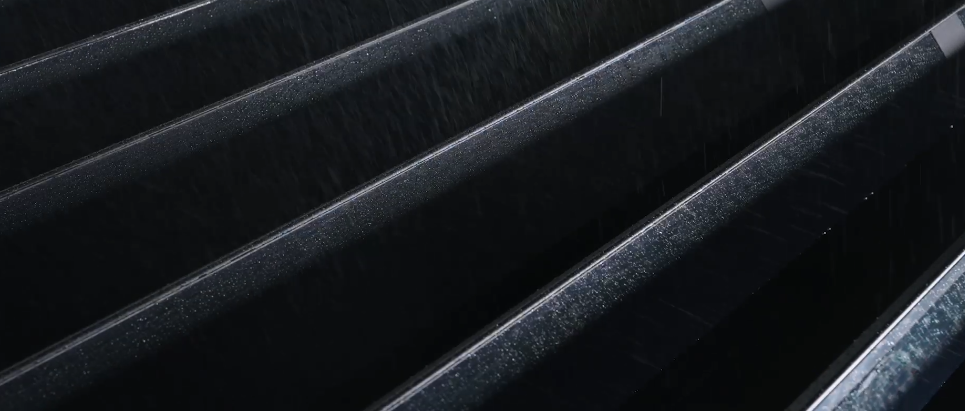
Constructing durable outdoor structures requires an advanced approach to physical protection and drainage. If rainwater sits on active photovoltaic surfaces, it can cause mineral buildup that blocks incoming light. Directing rainwater away from sensitive connections is essential for preserving the long-term performance of the system.
The Light Hunter configuration features an advanced, invisible water management channel integrated directly into the structural frame. Water flows quietly down the support pillars, keeping the underlying seating area dry and protecting the electronic components. This robust, weather-tested construction ensures the entire system remains a reliable asset for years to come.
Building a Localized Clean Power Network
Adopting distributed energy systems allows households to take control of their immediate carbon footprint. By generating clean electricity directly on your property, you reduce your reliance on fossil-fuel-dependent regional grids. This local generation model minimizes transmission losses and provides a stable source of power for everyday household appliances.
Using a specialized solar pergola to generate local power combines functional design with intelligent resource management. The sleek, minimal frame fits perfectly with contemporary European architectural styles, increasing the utility and value of your garden. It transforms an ordinary patio into a sophisticated, self-powered hub designed for family gatherings and daily relaxation.
Advancing the Future of Building Integrated Power
The continuous development of highly stable perovskite technology is unlocking new opportunities for the construction industry. As thin films become more durable, active energy surfaces will become standard in modern residential design. Choosing materials that actively contribute to the energy grid helps build a more self-sufficient and resilient society.
We believe that high-end aesthetics and environmental responsibility do not have to be mutually exclusive. Integrating clean energy directly into structural elements allows homes to achieve a beautiful balance of independence and style. Every self-sufficient backyard represents a positive step toward a cleaner, more sustainable living environment.
Conclusion
Understanding the lifespan of a perovskite solar cell highlights how rapidly materials science is redefining clean energy architecture. By moving past the rigid physical limits of silicon, modern households can harvest clean power through beautiful, dual-purpose structures. This elegant integration proves that protecting our planet can enhance, rather than compromise, the visual harmony of our homes.
We look forward to helping you design an outdoor living space that perfectly balances design elegance with clean energy. If you are ready to explore how these advanced thin-film systems can elevate your upcoming garden or patio project, please Contact Us to discuss our customizable configurations.