

Outdoor living areas are transforming rapidly as advanced structural engineering meets automated home technology. Property owners no longer settle for static wooden gazebos that offer minimal adaptability during shifting weather patterns or seasonal changes. Finding a highly responsive, modern smart pergola has become the preferred path for creating an intermediate sanctuary between the indoor living room and the open garden.
Our design team at Light Hunter focuses on developing systems that elevate backyard comfort while quietly generating clean utility. Understanding the various architectural configurations of these intelligent shelters allows you to select the precise layout for your property. From motorized louver systems to high-performing solar-harvesting structures, the options cater directly to contemporary eco-conscious lifestyles.
Traditional Louvered Systems with Automated Adjustments
Standard motorized shelters focus primarily on managing shade and fresh airflow through automated mechanical movements. These structures utilize low-voltage linear motors hidden discreetly within the metal beams to rotate the overhead slats simultaneously. This basic automation allows you to block direct afternoon glare while keeping your seating area bright and open.
These systems rely on heavy-duty, powder-coated aluminum frames that naturally resist rust and structural warping. They are highly valued for their clean profiles, minimal upkeep, and elegant integration with existing home walls. Choosing this foundational type of automated shelter provides a reliable way to extend your daily outdoor relaxation hours.
Active Photovoltaic Roofs for Localized Generation
Transitioning from passive shade to active energy capture represents a major leap forward in modern backyard design. Instead of letting direct sunlight heat up your patio space unproductively, next-generation structures turn the roof into a local power source. This functional upgrade helps lower your home's dependence on traditional municipal grids.
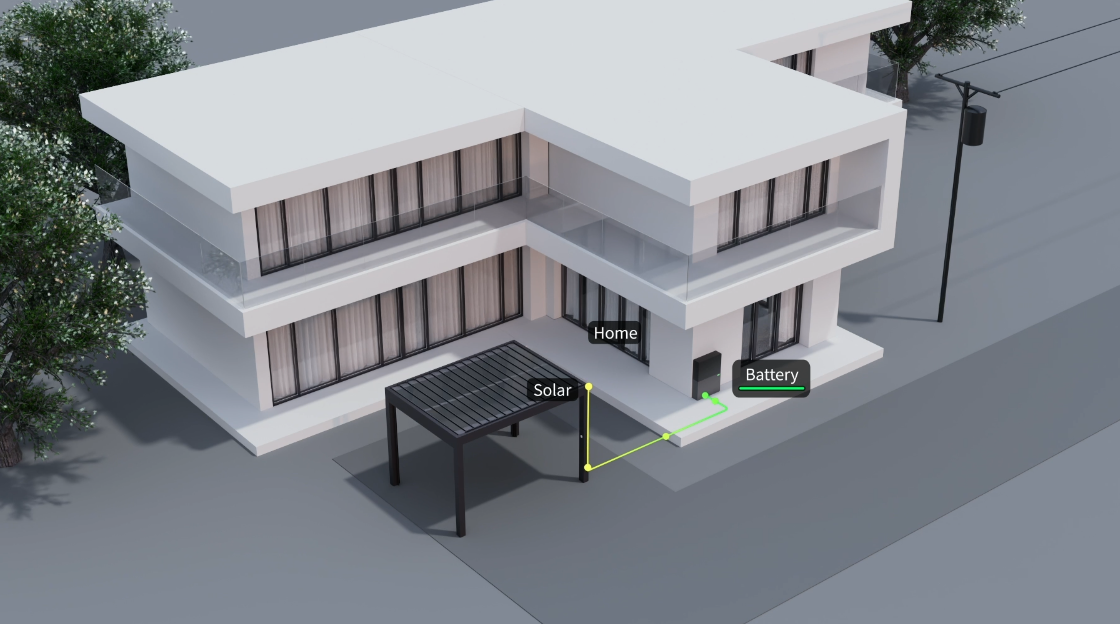
Building a dedicated solar pergola introduces advanced thin-film solar technology directly into the rotating roof panels. The integrated system delivers a powerful PV output ranging from 780W to 960W depending on the specific louver angle and sunlight density. This generation level provides a steady flow of clean electricity to support your household devices and backup battery units.
All Weather Protection and Hidden Drainage Systems
Enjoying your garden during a sudden summer downpour requires a structure engineered with reliable water-management systems. High-end louvered roofs feature interlocking slats that compress tightly against weatherproof rubber seals when fully closed. This mechanical barrier prevents water from dripping onto your outdoor furniture, keeping the lounge area effectively dry.
A high-performing solar pergola maintains its clean visual appeal by utilizing an integrated concealed drainage system. Rainwater flows off the closed solar slats and is guided silently through hidden internal channels down the inside of the hollow support columns. This smart water management prevents pooling on the active surfaces while keeping the structural framework free of unsightly external pipes.
Bioclimatic Designs for Natural Microclimate Management
Bioclimatic structures use natural physical properties—like wind, light, and shade—to regulate comfort without energy-intensive artificial cooling. By tilting the overhead louvers to precise angles, the system creates a passive convection current that draws hot air upward. This natural ventilation keeps the seating area notably cooler than a traditional solid-roof patio during peak summer afternoons.
During colder winter months, the louvers can be opened fully to allow low-angle sunlight to penetrate deep into your lounge. This passive heating effect warms the patio space naturally, reducing the need for electric outdoor heaters. Adopting this eco-friendly design approach allows your backyard to work in perfect harmony with the local climate.
Integrated Tech Hubs with Smart Sensor Control
Modern outdoor spaces function best when they adapt autonomously to changing weather conditions without requiring your constant attention. Advanced shelters feature built-in wind, rain, and temperature sensors that monitor the immediate environment in real-time. This smart technology adjusts the roof automatically to protect your patio assets even when you are away.
At Light Hunter, we build these automated controls directly into our systems alongside convenient power access points. The structural columns feature integrated USB-C charging ports, turning your patio into a highly practical outdoor workspace or entertainment area. This combination of intelligent sensors and local utility makes your outdoor zone incredibly easy to use.
Selecting the Right Layout for Your Property
Choosing the ideal structural type depends on your specific lifestyle needs, yard size, and long-term energy goals. Free-standing models create a private, self-powered sanctuary in the middle of a garden, while wall-mounted units extend your home’s indoor footprint. Each configuration can be customized with motorized side shades and dimmable LED lighting to match your style.
Investing in a highly resilient smart pergola represents a commitment to sustainable living and premium architectural quality. The clean lines and balanced proportions of our systems blend beautifully with modern European home designs. It transforms an ordinary backyard into a high-tech, self-sufficient retreat that supports your daily routine.
Conclusion
Exploring the different types of contemporary shelters reveals how easily comfort, automation, and clean energy can work together. Choosing a dual-purpose solar pergola allows your family to enjoy effective weather protection while contributing active power to your home. If you are ready to design a refined, self-powered outdoor space, please Contact Us to discuss our customizable configurations.