

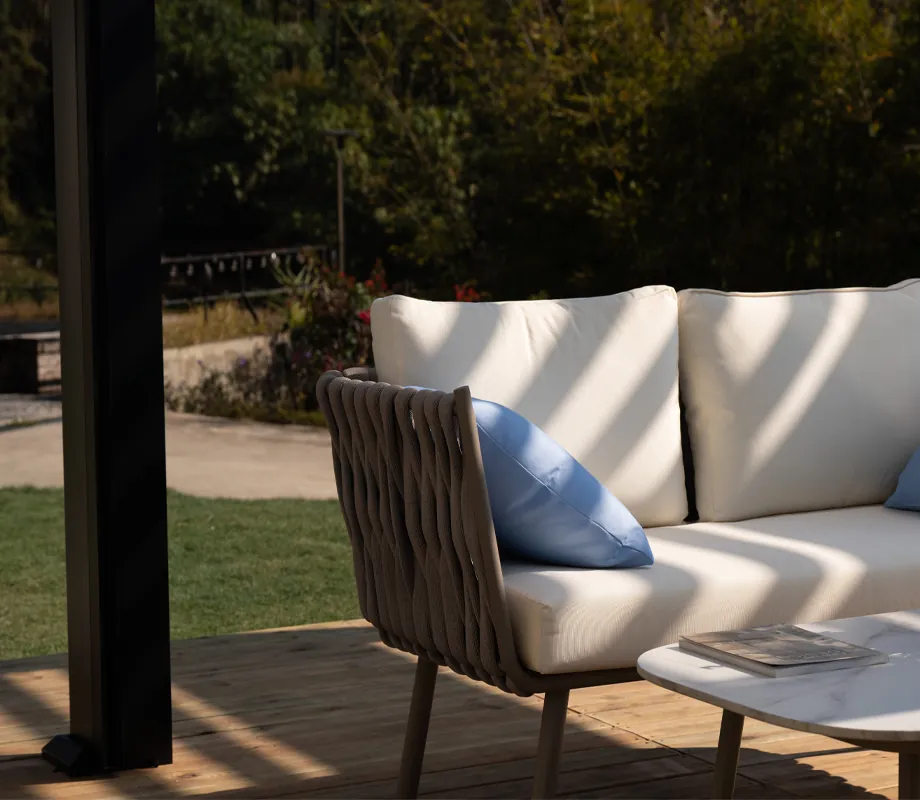
Perovskite solar cells are next-generation photovoltaic devices that utilize a synthetic crystal structure to absorb light and convert it into electricity with high efficiency. As residential spaces demand cleaner aesthetics and higher efficiency, a remarkable crystal structure is redefining what outdoor surfaces can achieve. This engineering shift moves away from heavy, opaque panels toward fluid, integrated building materials that blend design with function.
At Light Hunter, we recognize that the next generation of microgrids relies heavily on the perovskite solar cell. This specific photovoltaic technology utilizes a distinct synthetic crystal structure designed to absorb light across a much broader spectrum than traditional silicon. By embedding this active layer directly into functional outdoor architecture, backyards transform into quiet power plants without sacrificing visual appeal.
Decoding the Science Behind the Crystal Structure
Unlike rigid, thick wafers made from conventional silicon, perovskite refers to a specific mineral structure that can be synthesized chemically and applied as an incredibly thin film. This unique crystalline arrangement allows electrons to move with minimal energy loss, even when the material is just a fraction of a micrometer thick. The resulting flexibility opens up entirely new design possibilities for residential energy production.
Engineers favor this advanced perovskite technology due to its exceptional performance under diverse environmental conditions. The material responds remarkably well to diffuse daylight, meaning it continues to generate electricity during overcast mornings or late afternoons. Our team harnesses these characteristics to help architectural surfaces remain productive throughout the entire day, regardless of direct sun exposure.
Redefining Residential Outdoor Architecture
Integrating modern photovoltaics into a residential layout requires a balance between utility and visual harmony. Opaque blue panels rarely complement a premium modern garden or a carefully designed terrace. By utilizing thin-film synthetic crystals, outdoor structures can now feature translucent louvers that filter daylight while silently capturing clean energy for the property.
A premium solar pergola showcases how this innovation works in daily life. Instead of acting as an awkward roof add-on, the louvers become part of the architectural framework itself. Filtered light, natural airflow, and steady comfort shape the space as the day unfolds, proving that sustainability does not require structural compromises.
The Functional Benefits of Thin Film Integration
Traditional solar setups often suffer from significant efficiency drops when temperatures rise or shadows fall across a portion of the array. The internal physics of a perovskite solar cell mitigate these common outdoor issues. The thin layers remain stable under varying thermal conditions, ensuring a reliable energy yield during hot summer afternoons.
Furthermore, this synthetic perovskite configuration delivers excellent low-light sensitivity. The structure captures ambient and reflected light from the surrounding courtyard, maximizing daily kilowatt-hour production. This consistent performance provides the home receives a steady baseline of clean power for routine operations, reducing reliance on the traditional grid.
Quiet Automation and Climate Adaptation
Modern outdoor living spaces must respond dynamically to changing weather patterns without requiring constant manual adjustment. Intelligent internal automation allows structural louvers to adjust their angles based on real-time weather data. This sensory response optimizes both the shading comfort for the occupants and the angle of incidence for electricity generation.
The Light Hunter energy pergola employs an integrated system where wind, rain, and light sensors work in unison. The mechanism protects the structural integrity during sudden storms while maintaining a comfortable microclimate underneath. The technology operates quietly in the background, keeping the outdoor living area protected, comfortable, and self-powered.
Technical Milestones in Backyard Energy Generation
Modern engineering requires rigorous verification before clean energy technology can be deployed safely in a residential setting. Advanced outdoor structures undergo extensive wind, rain, and snow-load testing to verify long-term stability. Selecting certified components validates that structural materials stand up to intense seasonal shifts without degradation.
The Light Hunter system features a robust aluminum frame designed for a snow load rating of up to 240 kg/m² and concealed drainage. Operating within Germany’s 800W plug-in photovoltaic category, this system streamlines the local installation process. These parameters demonstrate that residential scale energy solutions can be both legally compliant and structurally sound.
Embracing a Self Powered Lifestyle
Investing in advanced thin-film architecture represents a commitment to long-term property value and environmental responsibility. Homeowners gain independence from fluctuating utility rates by generating power precisely where it is consumed. This distributed energy model minimizes transmission waste and strengthens local household resilience.
Choosing a specialized solar pergola creates an intentional bridge between architectural design and intelligent resource management. The sleek lines and balanced proportions blend naturally into existing residential layouts, elevating the space into a functional social hub. It transforms an ordinary backyard into a sophisticated zone centered around clean power and enduring comfort.
Conclusion
Advancements in perovskite technology are changing how we view everyday residential surfaces. No longer confined to laboratory testing, these highly efficient thin films are actively modernizing outdoor residential living. By combining architectural elegance with advanced materials science, homes achieve a unique balance of self-sufficiency and refined design.
At Light Hunter, we invite designers, architects, and forward-thinking homeowners to explore these integrated energy solutions. If you want to discuss how to integrate these advanced clean systems into an upcoming residential project, please Contact Us to explore our premium outdoor configurations.