

When it comes to enhancing outdoor living spaces, the decision between a solar pergola and a solar awning can significantly impact both aesthetic appeal and functionality. With the advancements in solar technology, many homeowners are opting for structures that not only provide shade but also generate energy. At Light Hunter, we understand that making the right choice can feel overwhelming, and we aim to clarify the differences between these two popular options.
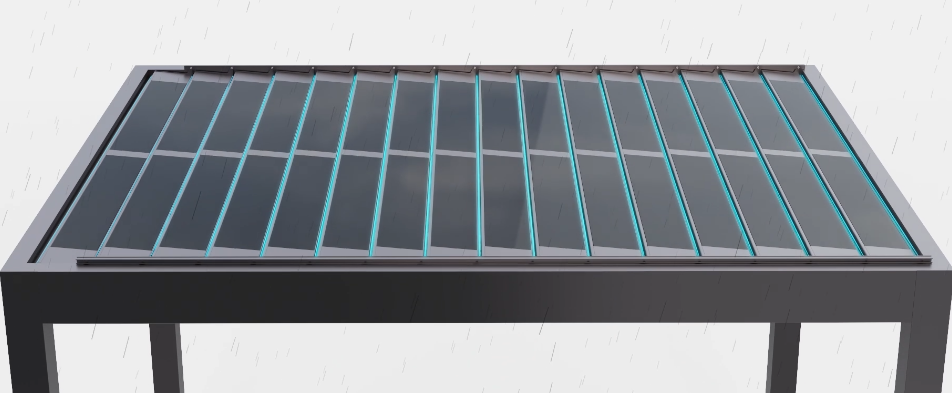
Architectural Integrity of Solar Pergolas
One of the primary advantages of a solar pergola is its distinct architectural presence. Unlike solar awnings, which are often viewed as temporary structures, pergolas provide a more robust and permanent solution. Built as standalone structures, solar pergolas can serve a variety of purposes, from creating serene outdoor retreats to being the social hub of your garden. The blend of design and functionality means that they can seamlessly integrate into your aesthetic vision, offering not just shade but also a solid space for hosting gatherings.
Moreover, their construction often allows for additional features such as lighting and integrated irrigation systems. At Light Hunter, we focus on designs that enhance the outdoor experience, ensuring that every solar shade structure we offer is both practical and visually appealing.
The Lightweight Versatility of Solar Awnings
On the other hand, solar awnings are known for their lightweight and adjustable nature. They are excellent for those who prefer flexibility in their outdoor environments. Awnings can be extended or retracted based on sunlight, ensuring you have the right amount of shade throughout the day. However, they often lack the structural permanence that pergolas provide; thus, they may not be suitable for creating a dedicated outdoor space.
Solar awnings are ideal for smaller patios or balconies where a full-sized pergola may not be feasible. They offer the opportunity to harness solar energy without committing to a more extensive build. As we explore options further, it becomes evident that, while solar awnings are advantageous for certain situations, they may not fulfill all the spatial and aesthetic needs that a solar pergola can satisfy.
Social Engagement and Spatial Value
While both options provide shade and energy benefits, the social value they add to outdoor spaces is where the distinction truly lies. A solar pergola often acts as the focal point of a backyard, creating a natural environment for gatherings, barbecues, and quiet evenings under the stars. This sense of permanence fosters an atmosphere conducive to social engagement, making it the heart of outdoor activity.
In contrast, solar awnings may serve as auxiliary coverage but often lack the intrinsic connection to the garden or patio space. At Light Hunter, we emphasize the importance of social interaction in outdoor areas, encouraging homeowners to consider how each structure can facilitate these gatherings. A solar shade structure can enhance not only your property’s functionality but also its ability to bring together family and friends.
Conclusion
Deciding on a solar pergola versus a solar awning ultimately depends on individual preferences and the specific needs of the outdoor space. Whether it’s the solid and enduring design of a pergola or the lightweight convenience of an awning, both options offer unique benefits. At Light Hunter, we are committed to helping you make the best choice for enhancing your outdoor environment. For further inquiries or to explore our selections, don’t hesitate to contact us—we’re here to assist you in making your outdoor dreams a reality.