

Yes, you generally need a building or electrical permit to install a solar pergola on your residential property. Navigating local zoning regulations early protects you from costly fines, forced deconstruction, and future insurance liabilities. Property owners must understand that any structure combining physical building elements with electrical generation crosses into dual regulatory areas. Local municipalities enforce strict safety standards to allow these structures to survive heavy wind loads and electrical faults safely.
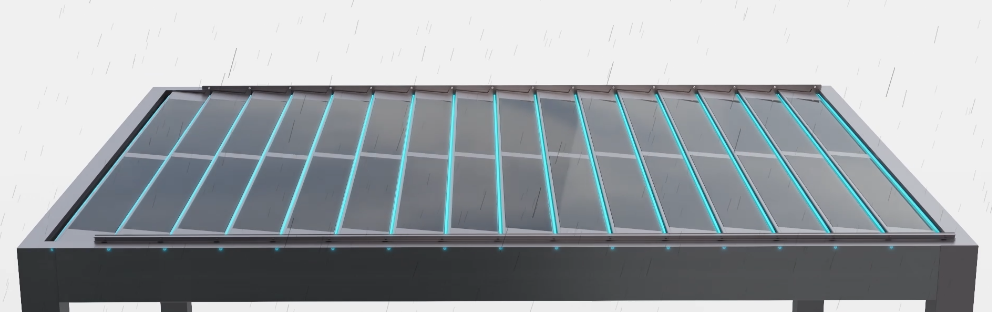
We at Light Hunter construct modern shading structures designed to meet rigorous regional zoning requirements smoothly. Our specialized systems are built with next-generation Solar-Powered Louvers that evolve traditional outdoor shelters into active energy surfaces. By utilizing advanced perovskite technology, the rotating roof quietly harvests clean energy while maintaining a highly refined architectural aesthetic. This thoughtful engineering simplifies structural approvals by presenting clear wind-load and load-bearing calculations to local building departments.
Deciding If Your Structure Requires Local Zoning Approval
Obtaining a formal pergola permit is mandatory in most jurisdictions when a structure exceeds specific height or square footage thresholds. Municipalities typically exempt small, temporary garden structures under 100 square feet from formal zoning reviews. However, any permanent architectural addition attached to a home’s main foundation almost always requires municipal oversight. Checking with your local planning department before purchasing materials prevents unexpected project delays or regulatory red tape.
Zoning offices prioritize safety and neighborhood spacing when reviewing property addition applications. They look closely at property setback lines, which dictate how close a structure can sit to neighboring boundary fences. Violating these boundary setbacks can lead to mandatory demolition orders, regardless of how much money was invested. Consulting local planning portals, such as the U.S. Department of Energy, helps clarify regional clean energy construction standards.
Electrical Certifications and Grid Connection Rules
Securing a specialized solar pergola permit is essential because your outdoor shade system functions as an active electrical generator. Any home addition that connects directly to the domestic electrical grid must comply with national safety codes. Local building inspectors require formal schematics demonstrating how the solar output integrates with your main breaker box. This structural review confirms that the system operates safely during grid outages or voltage surges.
Certified electrical contractors must sign off on the wiring plans to satisfy municipal safety standards. Professional installation confirms that the structural grounding and micro-inverter connections comply with regional safety laws. Navigating these complex electrical rules is much simpler with professional guidance from our design team. If you need engineering schematics or technical assistance for your application, please Contact Us to consult with our compliance department.
Understanding Structural Wind and Snow Load Demands
Engineering plans must prove that your solar pergola can withstand extreme weather events safely. Zoning departments evaluate wind-resistance ratings to confirm the shelter will not lift off its concrete foundations during major storms. Because solar louvers add physical surface area and weight, the frame must support local snow accumulation effortlessly. Standard garden covers often fail these rigorous calculations, requiring homeowners to choose heavy-duty aluminum options.
Our structural team at Light Hunter designs aluminum systems that are physically rated for high-wind conditions. These durable profiles keep the delicate photovoltaic elements and mechanical louvers protected during intense seasonal gales. By utilizing high-grade structural alloys, we provide homeowners with a highly reliable asset that passes local safety inspections easily. This robust construction delivers exceptional structural security and long-term peace of mind.
The Impact of Historic Districts and Homeowner Associations
Neighborhood aesthetic guidelines can restrict your ability to secure a pergola permit, even if your structural plans are technically flawless. Historic districts and local Homeowner Associations (HOAs) enforce strict visual rules regarding exterior building colors, heights, and materials. These groups prioritize preserving community character, which can sometimes clash with modern sustainable architectural designs. Obtaining written approval from your local board is necessary before submitting applications to the city.
Choosing minimalist architectural profiles and neutral color finishes helps ease these neighborhood aesthetic reviews. Modern aluminum designs in dark gray or soft white typically blend seamlessly with both contemporary and traditional home styles. This visual harmony makes it much easier to secure board approvals without compromising on clean energy production. Checking your local HOA bylaws early in the planning phase saves weeks of potential design revisions.
Gathering the Necessary Documentation for Submission
Submitting an effective paperwork packet accelerates the processing time for your solar pergola permit significantly. Municipal offices require detailed site plans showing the exact location of the structure relative to your property lines. You must also provide manufacturer specification sheets detailing the electrical output, materials, and safety certifications of the active louvers. Ineffective applications are the primary reason outdoor renovation projects experience frustrating, multi-week delays.
Acquiring professional engineering stamps on your drawings is often required for municipal structural approvals. These verified stamps prove to the building department that a licensed engineer has analyzed and approved the design. Our support team makes this step simple by providing comprehensive technical documentation packages for every project. If you require stamped structural drawings to submit to your local zoning board, please Contact Us directly.
The Long Term Risks of Unpermitted Construction
Building an unpermitted solar pergola poses severe financial and legal risks to your residential real estate investment. If city code enforcement discovers an unapproved structure, they can issue heavy daily fines and demand immediate demolition. Furthermore, home insurance providers frequently refuse to cover damages caused by unpermitted construction or uncertified electrical wiring. These avoidable legal headaches can seriously complicate your ability to sell the property in the future.
Retroactively applying for a solar pergola permit is far more expensive and stressful than doing it beforehand. Inspectors may require you to excavate effectived concrete footings just to verify their physical depth and safety. Securing a proper pergola permit from the very beginning protects your family's safety and secures your financial equity. Taking the time to follow local building guidelines ensures your new backyard oasis remains a safe and legal asset.
Conclusion
Following local regulatory guidelines is the most important step to ensuring your outdoor construction project is safe and legally secure. Working within the municipal framework keeps your beautiful solar pergola a highly functional, trouble-free home addition for decades to come. If you have any questions about planning codes or need help starting your project, please Contact Us to receive professional guidance and personalized engineering support.